

Property Research Hub is Australia’s only comprehensive directory bringing together 60+ property research tools in one organised place. No more hunting across dozens of websites. No more wondering if you’ve missed something critical. Just complete, structured property research from crime maps to flood zones to school catchments.
Here’s how we help you research smarter, not harder.
In This Guide:
- Why scattered property research fails (and what to do instead)
- The 8 essential categories every buyer should check
- How to research property systematically, not randomly
- 60+ free tools for pricing, safety, hazards, connectivity, and planning
- Who Property Research Hub helps most
Reading time: 6 minutes
Why Property Research in Australia is Broken (and How to Fix It)

Talk to any first home buyer and you’ll hear the same frustration: property research feels like a scavenger hunt with no map.
You check Domain for prices. Google “crime statistics Sydney” hoping to find something official. Visit five different council websites looking for flood maps. Check the NBN site for internet availability. Download school zone PDFs from six different education departments. Search planning portals for zoning information. And you still worry you’ve missed something critical that could cost you hundreds of thousands of dollars.
That’s not research—that’s chaos.
The problem isn’t lack of information. Australia has excellent property data, government resources, and research tools. The problem is they’re scattered across dozens of unrelated websites, buried in confusing portals, and organised by provider rather than by what you actually need to check.
Property Research Hub fixes this by bringing every essential research tool into one organised directory. Crime and safety One category. Flood and bushfire risk Another. School catchments, NBN coverage, planning zones—all in one place, organised by what matters most.
We built this because property research should be systematic, not stressful.
→ Ready to start researching? Explore our Property Data & Pricing Tools to see how sold prices compare in your target suburb.
What is Property Research Hub?
Property Research Hub is a free directory of 60+ Australian property research tools, due diligence checklists, and buyer guides—all organised into 8 essential categories that cover every aspect of property investigation.
60+ Tools Across 8 Essential Categories
Unlike property portals that focus primarily on listings and prices, we help you investigate the factors that truly determine whether a property is right for you:
✓ Pricing and market trends – Avoid overpaying and negotiate confidently
✓ Crime and safety statistics – Assess neighborhood security and livability
✓ Flood and bushfire zones – Understand environmental risks and insurance impacts
✓ Flight paths and road noise – Protect your lifestyle and property value
✓ NBN and mobile coverage – Ensure reliable connectivity for work and life
✓ Planning zones and development – Avoid renovation surprises and neighborhood changes
✓ School catchment zones – Secure access to quality education
✓ Total buying costs – Calculate stamp duty, fees, and true affordability
We don’t provide property data ourselves—we curate and organise the best free and paid tools available from government agencies, property platforms, and specialised data providers.
Who We Help

Property Research Hub serves:
- First home buyers trying to reduce uncertainty and avoid costly mistakes
- Property investors comparing suburbs and assessing investment risks
- Owner-occupiers looking beyond listing photos to understand what they’re really buying
- Renters researching neighborhood suitability before committing to a lease
- Interstate buyers needing a structured research process for unfamiliar areas
Our role is simple: help you move from scattered searching to organised, systematic property research.
PROPERTY RESEARCH TIP:
Start with safety and hazards first (crime, flood, bushfire). These factors can make a property uninsurable or unsellable—no matter how good the price looks. Only after confirming a property passes safety checks should you invest time in detailed pricing research.
The 8 Essential Property Research Categories
Every thorough property investigation should cover these eight critical areas. Miss even one, and you risk discovering expensive surprises after settlement.
Property Data & Pricing Tools
Why this matters: Overpaying by just 5% on a $700,000 property costs you $35,000—plus decades of additional interest. Yet most buyers rely on a single price estimate from one source.
Our Property Data & Pricing Tools section helps you compare sold prices, suburb trends, and listing history from multiple sources including Domain, REA Group, CoreLogic, Property.com.au, Microburbs, and SQM Research. Cross-reference at least three data sources to understand:
- Historical sales data – What similar properties actually sold for (not just asking prices)
- Suburb price trends – Whether the market is rising, falling, or stable
- Days on market – How quickly properties sell (negotiating leverage indicator)
- Auction clearance rates – Market heat and buyer competition levels
- Price per square meter – True value comparison across different property sizes
Best for: First home buyers comparing asking prices to recent sales, investors assessing value and growth potential, negotiators building data-backed offers.
Critical insight: Properties can vary 20-30% in price even within the same suburb based on micro-location factors (street appeal, corner blocks, proximity to parks vs. roads). Always compare properties of similar size, age, condition, and exact location—not just suburb medians.
Crime & Safety Mapping
Why this matters: Properties in high-crime areas sell for 10-20% less than comparable homes in safer neighborhoods. Crime also affects tenant appeal, insurance costs, personal safety, and long-term resale value.
Yet most buyers only visit properties during daylight hours on weekends—when neighborhoods appear quiet and safe. Official crime data tells the real story.
Our Crime & Safety section provides access to official crime statistics and incident mapping tools that show:
- Crime rates by suburb and postcode – Theft, assault, property crime, vehicle crime
- Crime trends over time – Whether neighbourhood safety is improving or declining
- Comparative safety rankings – How suburbs compare to state and national averages
Best for: Families prioritising safety, investors concerned about tenant demand, anyone comparing multiple suburbs.
Critical insight: Don’t just check overall crime rates—look at the type of crime. Some suburbs have higher vehicle theft but lower violent crime. Others have property crime concentrated in commercial areas but safe residential streets. Understand what matters most for your situation.
Flood Risk & Climate Hazards
Why this matters: Buying in a flood zone without knowing it can mean $50,000+ in annual insurance premiums, damaged property every few years, and a house you can’t sell when you need to move. Bushfire zones bring similar risks plus building restrictions and evacuation concerns.
Insurance companies are pulling out of high-risk areas entirely. Banks are tightening lending. Climate change is intensifying floods, fires, and storms. Yet many buyers skip environmental checks because “the property looks fine.”
Our Climate & Environmental Hazards section provides access to official government flood maps, bushfire risk zones, and environmental hazard assessments including:
- Flood overlays and zones – 1-in-100 year flood lines, historical flood data
- Bushfire Attack Level (BAL) ratings – Construction requirements and risk levels
- Storm surge and coastal inundation – Sea level rise projections for coastal areas
Best for: Anyone buying near waterways, coastal areas, bushland, or steep terrain.
Critical insight: Properties just outside mapped flood zones can still experience flooding from stormwater runoff, blocked drains, or overland flow. Always visit properties during heavy rain and speak with long-term neighbors about flooding history—not just the seller.
→ Protect your investment: Check flood risk maps for every property before making an offer. Insurance and resale value depend on it.
NBN & Mobile Coverage
Why this matters: You move into your new home ready to work remotely—and discover you’re on FTTN with 12Mbps speeds while the street next door runs on FTTP with 100Mbps. Too late now. Poor connectivity affects work-from-home capability, property value, tenant appeal, and basic quality of life.
Our Internet & Mobile Coverage section shows exactly what technology is available at any address before you commit:
- NBN technology type – FTTP (fiber to premises), FTTN (fiber to node), HFC (cable), Fixed Wireless, Satellite
- Maximum available speeds – Actual speed capabilities, not just advertised plans
- Mobile network coverage – 4G and 5G coverage from Telstra, Optus, Vodafone
- Network quality ratings – Real-world performance from user reports
Best for: Remote workers, families with students doing online learning, anyone who relies on internet for work or entertainment, investors targeting professional tenants.
Critical insight: NBN technology types vary dramatically street by street. FTTP delivers 1000Mbps speeds. FTTN might struggle to reach 25Mbps during peak times. Satellite is slow and weather-affected. Always check the specific address—not just the suburb.
Planning Zones & Development
Why this matters: You buy a quiet suburban house—then discover three months later that a 12-story apartment complex has been approved next door. Your views disappear, parking becomes impossible, and property value stagnates. Planning research prevents these nightmares.
Our Planning Zones & Development section helps you check zoning, overlays, and nearby development applications so you understand:
- Current zoning – What can legally be built on the property and neighboring blocks
- Planning overlays – Heritage, character, design, vegetation, environmental restrictions
- Approved developments nearby – What’s coming to your street or suburb
- Future infrastructure projects – Major roads, rail, airports affecting the area
- Renovation restrictions – What you can and can’t do to the property
Best for: Buyers planning renovations or extensions, anyone concerned about neighborhood character changes, investors assessing development potential.
Critical insight: Zoning is changing rapidly in Australian cities. Areas previously zoned for single dwellings are being upzoned for medium or high-density development. Check not just current zoning but also proposed planning scheme amendments that could change everything within 2-5 years.
Complementary research: Planning checks work hand-in-hand with land title searches. While we provide planning and zoning tools, formal land title searches (obtained through conveyancers or state government title offices) verify ownership details, easements, covenants, and registered restrictions. Combine both to understand exactly what you can do with a property.
Noise Pollution Checks
Why this matters: Properties under flight paths sell for 10-30% less than comparable homes just streets away. Yet most buyers only visit once—during quiet hours on a Saturday morning—and miss the Boeing 737s passing overhead every 90 seconds from 6am to 11pm daily.
Traffic noise from major roads has similar effects: reduced sleep quality, lower property values, poor tenant retention, and health impacts from constant noise pollution.
Our Noise Pollution section shows flight paths, major road corridors, and rail lines so you don’t learn about noise problems after settlement:
- Airport flight paths – Approach and departure routes, aircraft frequency
- Major road traffic – Highways, arterials, and truck routes
- Rail corridors – Train frequency, including freight lines
- Noise overlay maps – Official council noise exposure forecasts
Best for: Families with children, light sleepers, anyone prioritising peace and quiet, investors concerned about tenant complaints.
Critical insight: Visit properties at different times: weekday mornings (peak flight times), weekday evenings (peak traffic), Friday and Saturday nights (social noise). One quiet Sunday afternoon visit tells you almost nothing about actual noise exposure.
School Catchment Zones
Why this matters: Properties in desirable school catchments sell for 20-50% more than identical houses just one street outside the boundary. For families, securing access to quality public schools can be as important as the property itself.
Yet catchment zones change. Boundaries shift when new schools open. Enrollment policies vary by state. Popular schools reach capacity and deny in-catchment students. Understanding the rules prevents expensive mistakes.
Our Livability section includes school catchment tools that help you:
- Find catchment boundaries – Exact street-by-street zone maps
- Compare school quality – NAPLAN results, ICSEA rankings, reviews
- Understand enrollment rules – Priority categories, proof-of-address requirements, appeals
- Track boundary changes – Historical changes and future reviews
Best for: Families with school-age children or planning children, investors targeting family renters, anyone prioritising education access.
Critical insight: Being “in catchment” doesn’t guarantee enrollment at popular schools. Some implement additional criteria (sibling priority, distance tie-breakers, enrollment caps). Always confirm current enrollment policies directly with the school—don’t rely solely on zone maps.
Financial Calculators & Cost Tools
Why this matters: The property costs $650,000. You budget for the purchase price and forget about $25,000 stamp duty, $2,000 in legal fees, $800 for building inspections, $500 for pest inspections, $1,200 for removalists, and $3,000 for immediate repairs. Suddenly your budget is blown by $32,500.
Our Financial Calculator & Tools section helps you estimate the total cost of buying, including:
- Borrowing capacity calculators – Maximum loan amount based on income and expenses
- Loan repayment calculators – Monthly costs at different interest rates and loan terms
- Stamp duty calculators – State-by-state duty calculations including first home buyer concessions
- Total purchase cost estimators – All fees, duties, and expenses beyond purchase price
Best for: First home buyers establishing realistic budgets, investors analysing cash flow and returns, anyone needing to understand true affordability.
Critical insight: Don’t forget ongoing costs beyond purchase: council rates ($1,500-3,000/year), strata fees for units ($2,000-8,000/year), insurance ($1,000-3,000/year), maintenance (1-2% of property value annually). A property you can “afford” to buy might be unaffordable to own.
How to Research Property Systematically

Random research misses critical risks. Systematic research catches them. Follow this proven framework that professional buyer’s advocates use:
Step 1: Check Safety and Hazards First
Before investing time in detailed research, eliminate properties with deal-breaking risks:
- Check flood maps – Is the property in a flood zone? (Automatic deal-breaker for many)
- Verify bushfire risk – BAL rating and building requirements
- Review crime statistics – Compare to state averages and nearby suburbs
- Check flight paths – Major aircraft noise impact
Why first: No point researching prices and schools if the property is uninsurable or in a high-crime flood zone. These are binary checks—pass or fail.
Tools to use: Climate & Environmental Hazards, Crime & Safety, Noise Pollution
Step 2: Verify Connectivity
Essential for modern living and strong resale value:
- Check NBN technology type – FTTP, FTTN, HFC, Fixed Wireless, or Satellite
- Test mobile coverage – All three networks (Telstra, Optus, Vodafone)
- Read user reviews – Real-world speeds and reliability
Why now: If you work from home or need reliable internet, connectivity issues are another deal-breaker. Check early to avoid wasting time.
Tools to use: Internet & Mobile Coverage
Step 3: Research Pricing and Market Trends
Once safety and connectivity pass, dive into pricing:
- Check sold prices – Last 6 months, similar properties (size, type, condition)
- Review suburb trends – Price direction, days on market, auction clearance
- Compare asking vs selling prices – Negotiation leverage insights
- Assess value per square meter – True comparison across different sizes
Why now: You know the property is livable and safe. Now determine if it’s priced fairly and whether the suburb aligns with your goals.
Tools to use: Property Data & Pricing Tools
Step 4: Investigate Planning and Development
Understand what can change around the property:
- Check current zoning – What can be built on this lot and neighbors
- Search development applications – Approved and pending projects nearby
- Review planning overlays – Restrictions affecting renovations or extensions
- Research major infrastructure – Roads, rail, airports planned for the area
Why now: You’ve confirmed the property is safe, connected, and fairly priced. Now ensure the neighborhood won’t change drastically after you buy.
Tools to use: Planning Zones & Development
Step 5: Calculate Total Costs and Affordability
Run the numbers before making an offer:
- Calculate borrowing capacity – Maximum you can borrow (not should borrow)
- Estimate stamp duty – State-specific including first home buyer concessions
- Add purchase costs – Legal fees, inspections, removalists ($5,000-15,000 typical)
- Project ongoing costs – Rates, strata, insurance, maintenance
Why now: You love the property and it passes all checks. But can you actually afford it without financial stress?
Tools to use: Financial Calculator & Tools
Step 6: Get Professional Verification
Online research is essential—but it’s not sufficient. Always verify with professionals:
- Conveyancer or solicitor – Contract review, title search, legal advice
- Building inspector – Structural assessment, defects, compliance
- Pest inspector – Termites, borers, timber pests
- Property valuer – Independent market value assessment
- Financial adviser – Purchase suitability, borrowing strategy
Why last: Professionals are expensive ($2,000-5,000 total). Only engage them for properties that have passed your own research filters. This saves thousands compared to paying for inspections on every property you view.
Frequently Asked Questions

What is Property Research Hub?
Property Research Hub is a free Australian directory of 60+ property research tools, due diligence checklists, and buyer guides organised into 8 essential categories: Property Data & Pricing Tools, Crime & Safety, Climate & Environmental Hazards, Noise Pollution, Internet & Mobile Coverage, Planning Zones & Development, Livability, and Financial Calculators.
We don’t provide property data ourselves—we curate and organise the best available tools from government agencies, property platforms, and data providers into one easy-to-navigate directory.
Is Property Research Hub completely free to use?
Yes. Accessing our directory and using our guides is completely free.
Many of the tools we link to are also free (government flood maps, council planning portals, NBN coverage checks). Some tools we list offer both free and paid tiers (Domain, Microburbs, CoreLogic)—we clearly indicate which tools are free, freemium, or paid so you can choose based on your budget.
We don’t charge for access because our goal is to help as many Australians as possible make better-informed property decisions.
Do you endorse or guarantee the accuracy of listed tools?
No. Property Research Hub is a neutral directory. Including a tool in our listing does not constitute endorsement, recommendation, verification, or warranty of that tool’s accuracy, reliability, or suitability for your needs.
We organise and describe tools based on publicly available information, but we don’t verify data accuracy, test every feature, or audit methodologies. Always cross-reference information from multiple sources and verify critical data with official authorities (councils, government agencies) and qualified professionals.
For complete details, see our Disclaimer.
How often are tools and resources updated?
We review our directory regularly and update tool descriptions when we become aware of significant changes (new features, pricing changes, discontinued services). However, third-party tools can change at any time, and we don’t guarantee that every listing reflects the tool’s current state.
If you notice outdated information or discover a valuable tool we’ve missed, please contact us with the details.
What should I check first when researching a property?
Start with safety and environmental hazards:
- Flood risk – Check official flood maps (deal-breaker for many)
- Bushfire zones – Understand building requirements and insurance impacts
- Crime statistics – Compare to state and suburb averages
- Flight paths – Major noise exposure
Only after a property passes these critical checks should you invest time in detailed pricing research, school catchment verification, and planning investigation.
Why this order: There’s no point spending hours researching schools and prices if the property is in a flood zone with unaffordable insurance or a bushfire area with building restrictions you can’t meet.
Should I use all 60+ tools listed on the site?
No. The tools you use depend on your specific situation and priorities:
Everyone should check:
- Property pricing (3-5 data sources)
- Flood risk
- Crime statistics
- NBN coverage
- Livability
Families should add:
- School catchments
- Parks and playgrounds
- Public transport (if relevant)
Investors should add:
- Suburb growth trends
- Tenant demographic data
- Planning zones (development potential)
Remote workers should add:
- NBN technology type verification
- Mobile coverage (backup connectivity)
Renovators should add:
- Planning overlays
- Heritage restrictions
- Zoning rules
Use our directory to find the 3-5 tools most relevant to your situation—not to overwhelm yourself with every available resource.
Can I suggest a tool to add to the directory?
Yes! We’re always looking for high-quality property research tools to add to our directory.
If you know of a useful resource we’ve missed, please contact us with:
- Tool name and URL
- Brief description of what it does
- Why it would be valuable for property researchers
- Whether it’s free or paid
We review all suggestions but can’t guarantee every suggested tool will be added.
Does Property Research Hub replace professional advice?
Absolutely not.
Our directory helps you conduct thorough preliminary research, but it does NOT replace professional services:
You still need:
- Solicitor or conveyancer – Contract review, title search, legal advice
- Building inspector – Structural assessment, defects, compliance
- Pest inspector – Termite and pest inspection
- Financial adviser – Borrowing strategy, purchase suitability
- Property valuer – Independent market value assessment
Think of Property Research Hub as the research phase that helps you:
- Shortlist properties worth inspecting
- Eliminate obvious poor choices early
- Prepare informed questions for professionals
- Make better use of expensive professional time
Online research is powerful—but it’s the starting point, not the finish line. Always verify critical information with qualified professionals before making offers.
Start Your Property Research Journey
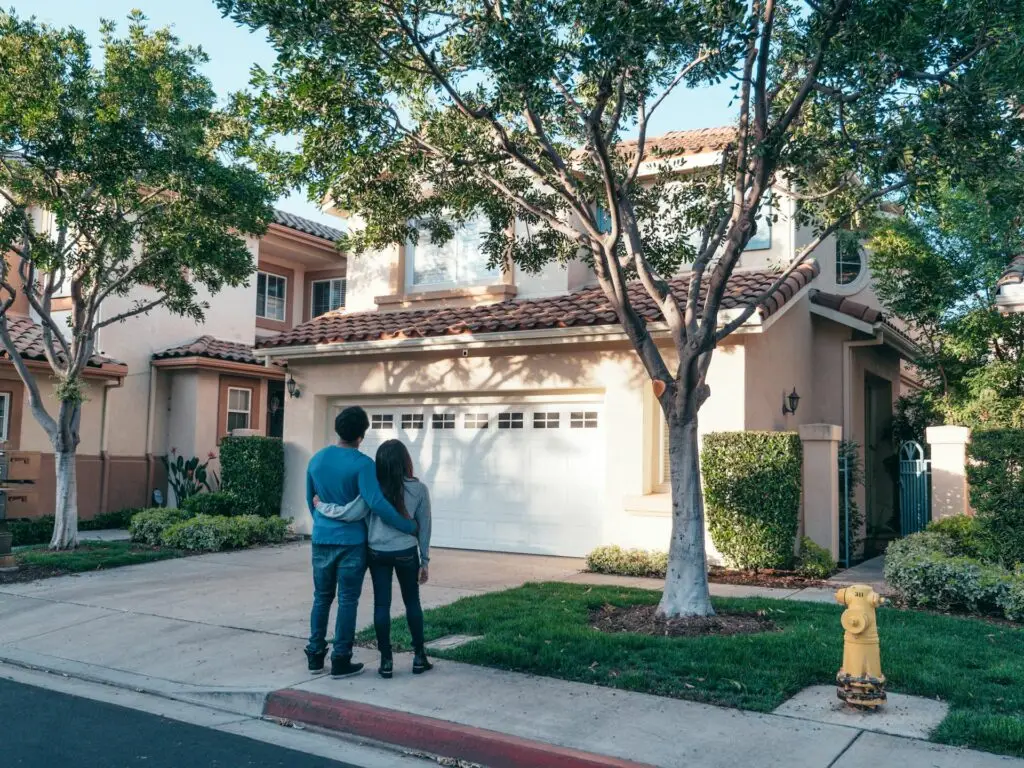
Better property research leads to better property decisions. And in property, better decisions can mean the difference between financial stress and financial security, between buyer’s remorse and homeowner satisfaction.
Property Research Hub exists to help you research systematically, thoroughly, and confidently—without the frustration of hunting across dozens of scattered websites.
Whether you’re:
- A first home buyer taking your first steps into the market
- An investor comparing suburbs and assessing opportunities
- An interstate buyer researching unfamiliar cities from afar
- A renovator evaluating development potential
We provide the organised framework and curated tools to help you investigate every critical factor:
✓ Pricing and market trends → Avoid overpaying
✓ Crime and safety → Assess neighborhood security
✓ Flood and bushfire risk → Understand environmental exposure
✓ NBN and mobile coverage → Ensure reliable connectivity
✓ Planning and development → Anticipate neighborhood changes
✓ School catchments → Secure education access
✓ Total buying costs → Calculate true affordability
Ready to research property more confidently?
Start exploring Property Research Hub and discover the tools, guides, and checklists that can help you make smarter property decisions.
Begin with these popular categories:
- Property Data & Pricing Tools – Compare sold prices and suburb trends
- Crime & Safety – Check official crime statistics
- Climate & Environmental Hazards – Access flood and bushfire maps
- Internet & Mobile Coverage – Verify NBN and mobile connectivity
Or browse our complete directory to explore all 8 research categories and 60+ tools.
IMPORTANT: This website is a directory of external property research tools. We do not provide, control, or verify these third-party resources. Information is for general guidance only and does not replace professional advice. Read our Disclaimer.